Energy and Climate Change

Due to limited fossil energy resources, countries are forced to turn to alternative energy resources and develop policies for efficient and effective use of energy.

If we evaluate the importance of energy based on our country,

The ratio of energy imports to national income is about 11 percent in the last quarter of 2023. Energy diversification strategies have been developed to reduce this ratio, and some legal regulations have been made to use energy more effectively and efficiently.

Izmir Institute of Technology acts with the awareness that for the sustainable economic, social and environmental development of our country, the policy of diversifying our energy resources, which are our most crucial national wealth, should continue to increase and that effective energy management is required for the efficient utilisation of these energy resources.

The students and staff of Izmir Institute of Technology are striving to raise awareness about energy efficiency in our campus’s indoor and outdoor areas.

In this direction, the Izmir Institute of Technology;

  • Establish an administrative structure that makes decisions for more efficient use of energy,
  • Achieve the targeted energy-saving rate by acting in accordance with energy efficiency legislation,
  • Energy-efficient procurement of suitable products for all academic and administrative work,
  • Following and implementing new studies and technologies developed in the field of energy efficiency,
  • Utilising the necessary resources and information in its energy efficiency efforts and collaborating with its internal and external stakeholders,
  • Provide holistic and effective management to measure and evaluate the savings and efficiency achieved through the activities carried out with a continuous improvement approach,
  • Create added value for the national economy and the environment by ensuring energy efficiency and savings without compromising the quality of services and the quality of life of those involved.

At IZTECH, we have a policy adopted by the Senate that is about the more effective and innovative use and management of energy resources.

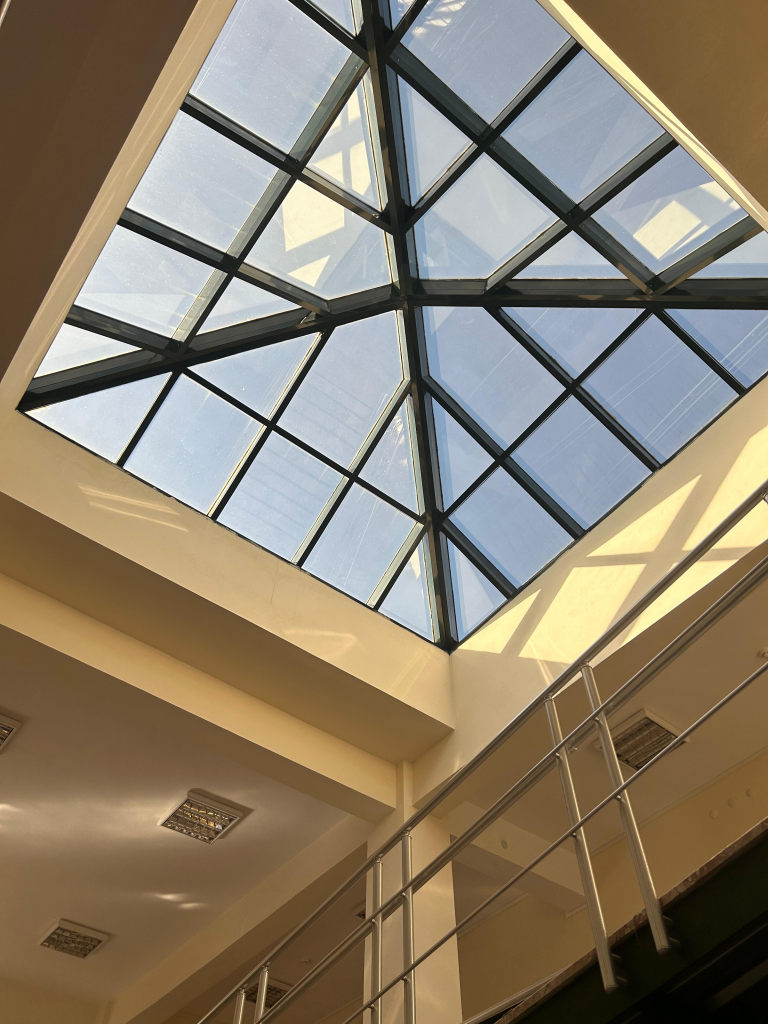
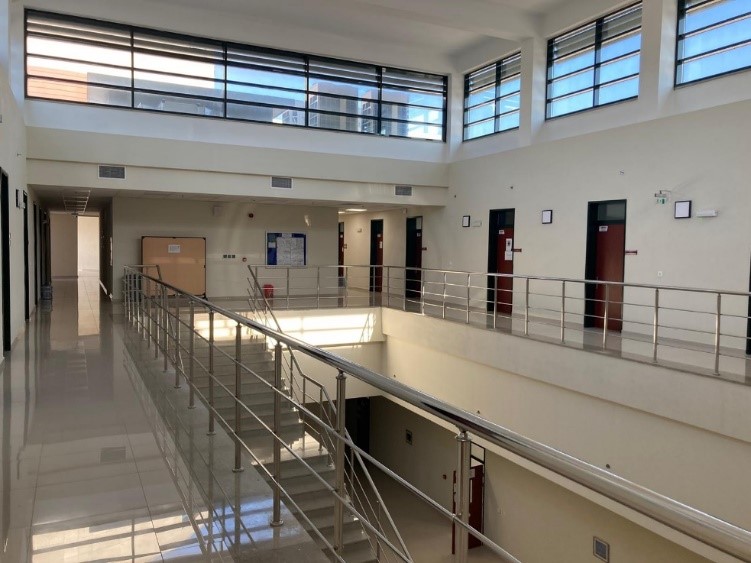
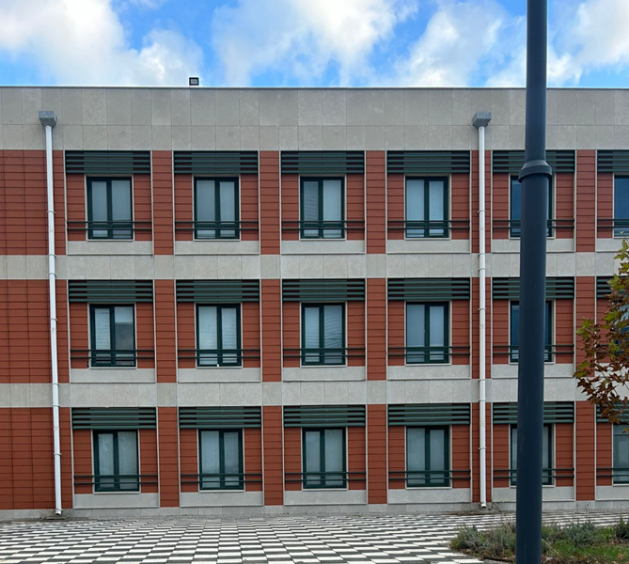
IZTECH focuses on energy efficiency improvement, monitoring efficiency on in daily basis, production of renewable energy and energy consumption reduction thus decreasing greenhouse gas emissions. To improve it further, ISO 50001 energy management certification has received, and an external energy management unit has been established. As though the IZTECH is an energy positive campus, energy efficient appliances are still used in most of the buildings with increasing amount. LED light bulbs, light bulbs with motion sensors, energy efficient air conditioner systems are some of the approaches to reduce consumption. Roof isolation of the buildings has been repaired due to the strong winds and rainy season every year. Most of the buildings have natural lighting and natural ventilation.


Figure 1. Examples of natural lighting in our buildings.

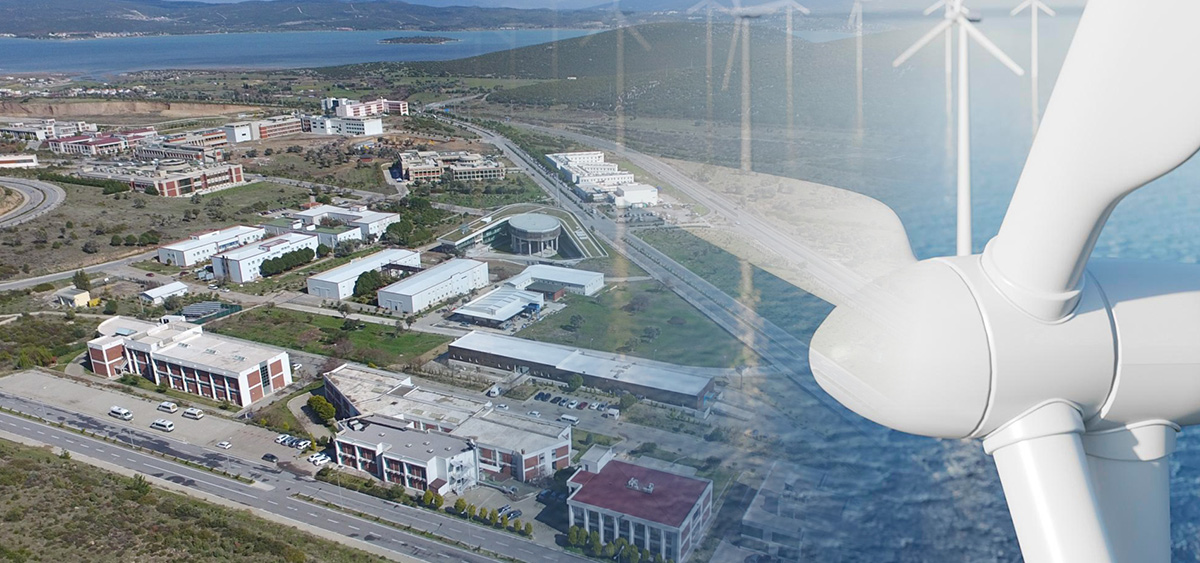
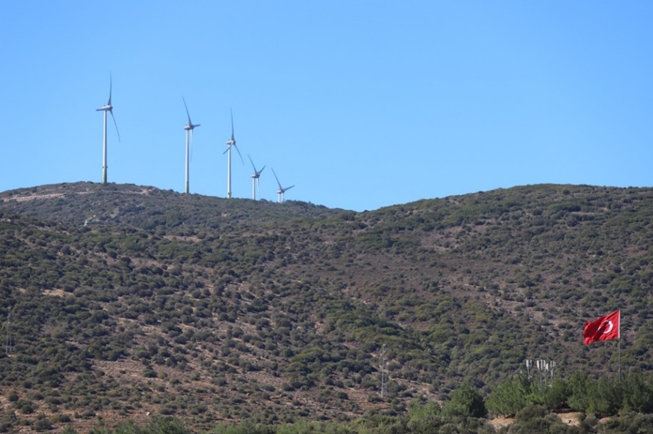
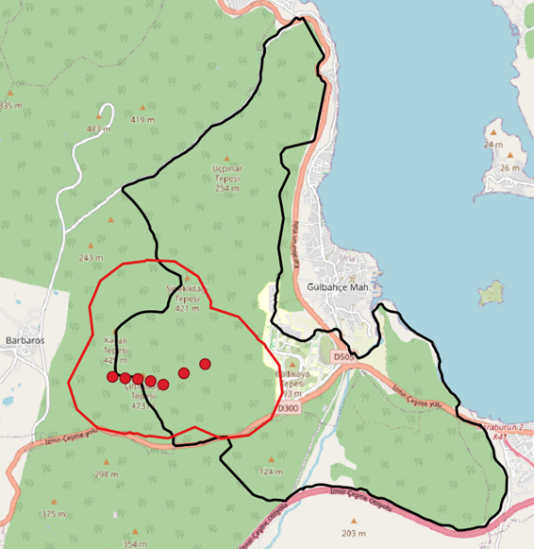
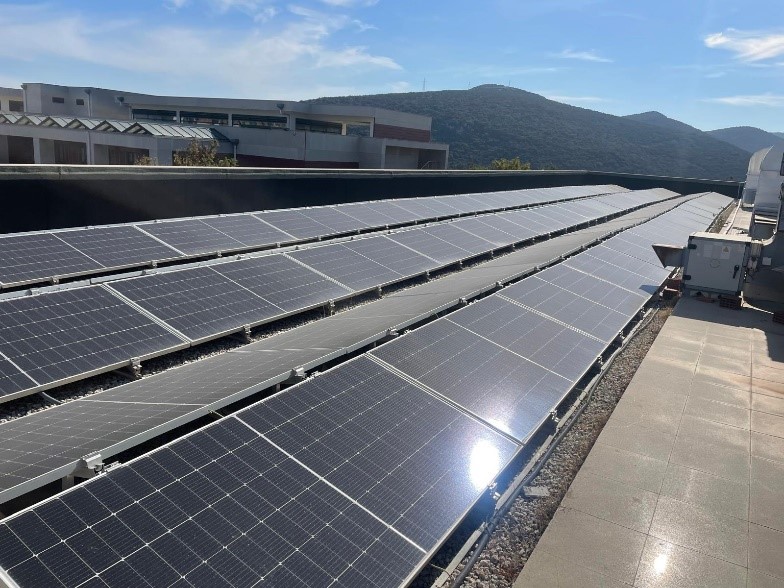
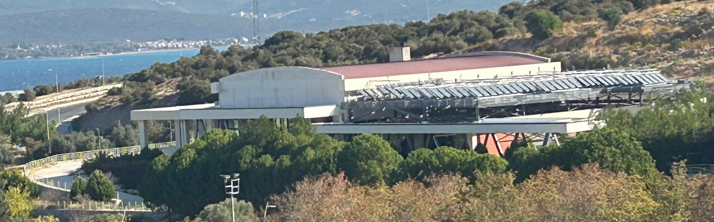
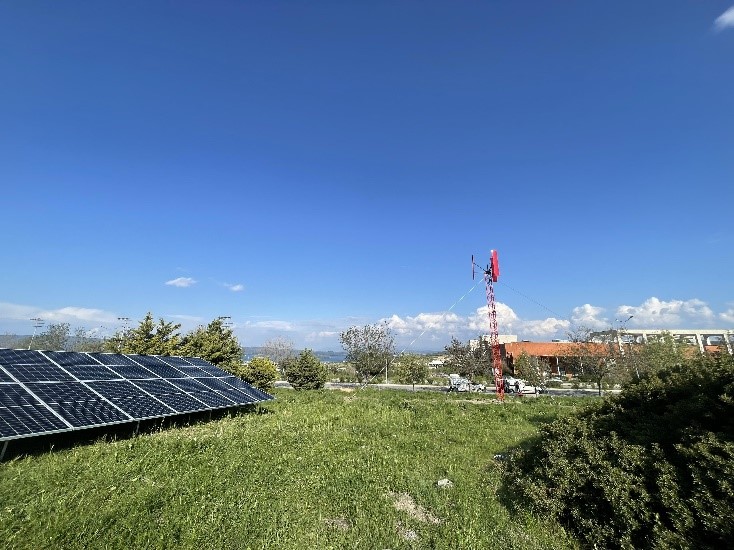
Solar panels and wind turbines are actively working on campus. Electricity is being generated by solar panels on roofs of some buildings as well as the swimming pool being heated by solar power. Wind turbines with 13.5 MW capacity located on our campus generate about 4.72times more electricity than used at the campus. The electricity generated is given to the city hub. IZTECH has achieved positive value on the impact with the last improvements in renewable energy approaches.


Figure 2. Renewable energy sources at our campus

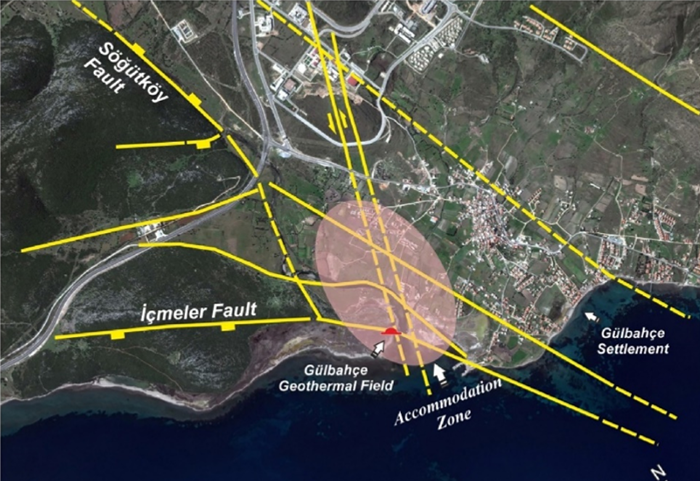
The Gulbahce region experiences a significant amount of sunshine throughout the year and is also rich in geothermal resources. Efforts to reduce greenhouse gas emissions are being considered across various areas, including electric vehicles operated by the university, bicycles on campus, waste sorting bins for metals, plastics, paper, glass, batteries, and general waste, as well as wastewater treatment and reuse. Additionally, renewable energy sources such as wind and solar power are being utilized, along with lab-scale setup for producing hydrogen energy using electricity generated from wind turbines.

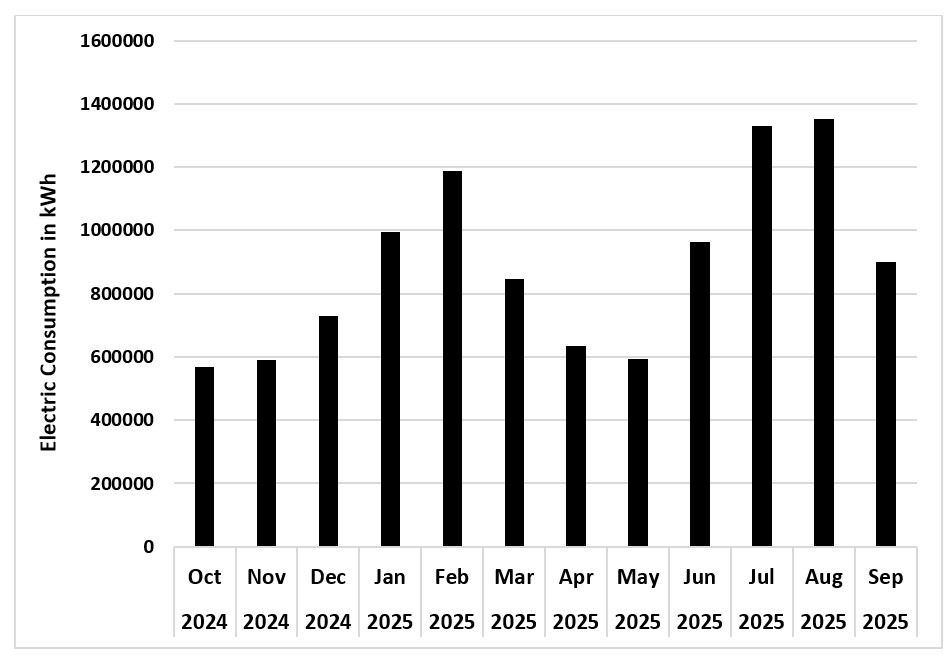
Figure 3. Electricity consumption of IZTECH campus in last 12 months

IZTECH conducts several activities to contribute the technology and innovation. Some of the activities are as follows:

Under an IZTECH-led research initiative, international studies have focused on recovering strategic metals from the ash produced by household waste incineration processes. The research strongly shows that this ash should be viewed as a valuable resource, not simply a disposal burden. Incineration itself is highlighted as Türkiye’s most rapid and feasible short-term waste management solution, offering the dual benefits of reducing waste volume by up to 90% and generating energy. A crucial finding from the analysis of municipal waste ash reveals a significant economic opportunity. Based on a 1.8% aluminum content, the data indicates Turkey generates over 500000 tons of recoverable aluminum annually. This massive figure is approximately seven times higher than Turkey’s current primary aluminum production of 82000 tons. This vast difference represents a major economic loss for the nation. Furthermore, the practice makes strong environmental sense, as recycling aluminum saves 20 times the energy required for new production, presenting a critical opportunity for sustainable resource management and waste minimization. The research team has published their findings in high-impact international journals and is actively continuing their efforts to scale the process for industrial application.

IZTECH is a part of project called Development of Advanced Composite Pressure Vessels for Hydrogen Storage including on-site testing of new hydrogen storage unit. Efficient storage of hydrogen is crucial for the success of emerging hydrogen energy markets & is strongly connected to the performance & safety of the components of the supply chain. Currently, hydrogen is stored & transported in a compressed form to satisfy the safety & weight regulations for high pressure gases. Alternatively, composite storage vessels offering high strength & low weight addresses this largely unmet problem with a multi-disciplinary team that aims at developing cost-competitive lightweight composite cylinders with improved mechanical & barrier properties for hydrogen storage using additive manufacturing technology. Such 3D printed liners with barrier coatings make them impermeable to gases. Further, novel chemo-chromic material-based sensors will be developed & integrated into these structures for real-time monitoring of the diffusion of gas. The 3D printed hydrogen storage vessels will be integrated to the wind hybrid system (wind turbine, PV unit, battery system) and will be tested on the site to evaluate their performance.

IZTECH is a part of project titled Green Hydrogen Generation Energized with Innovative Small Scale Wind Turbine which is a part of the Green and Blue Transformation Program, with assistance from the İzmir development agency.

This project aims to produce the electrolysis unit, one of the most important components of green hydrogen production, which has an increasing demand both domestically and abroad. Within the scope of this project, a 2 kW level module will be created, which has not yet been produced locally in our country. Design parameters that will maximize operating efficiency will be tested in both single-cell and multi-cell structures. These parameters include many components such as precious metal loading rate for the anode and cathode separately, catalyst material type, array design, dimensions, operating voltage, squeezing pressure, feed water purity and temperature, cooling load.

On the other hand, the production of hydrogen produced with an electrolysis unit powered by renewable energy sources, based on domestic and national technologies, is also very important in terms of the green hydrogen concept. This project will allow the production of hydrogen, one of the strategic energy carriers of the future, through an electrolysis unit developed with national engineering, energized by a vertical axis wind turbine developed with national technologies.

Figure 4: The vertical axis wind turbine used in the project

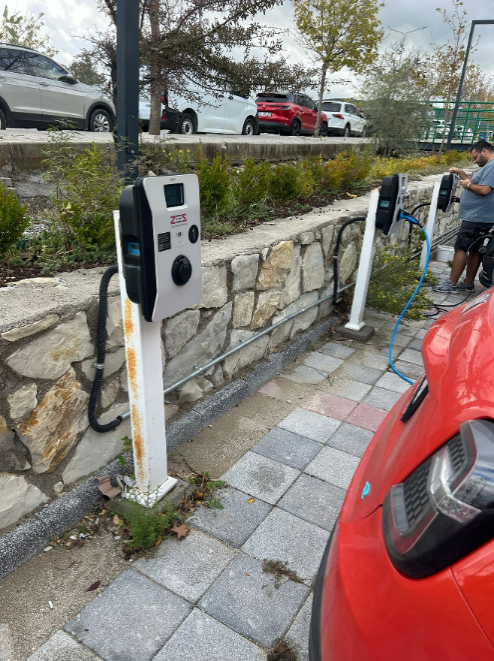
IZTECH has committed significant effort to adopting sustainable transportation practices. This isn’t solely due to its status as an energy-positive campus. A large number of electric vehicles (EVs) are already in use across the campus, including e-buses, e-scooters, and e-bikes available for use. By leveraging this surplus, renewably-generated electricity, EV chargers always have a positive, sustainable power source.

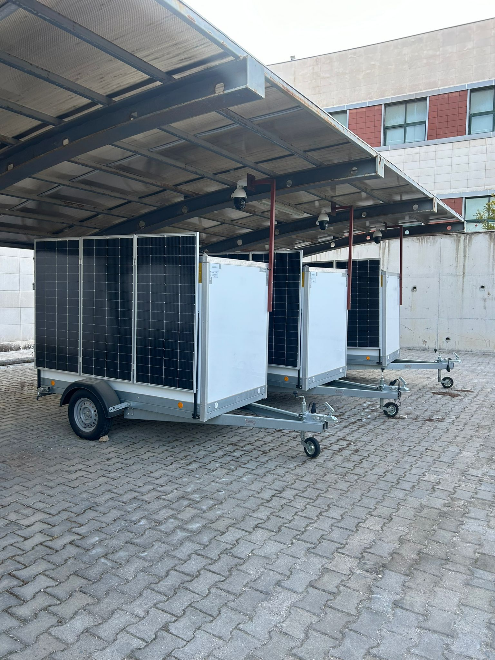
Furthermore, some research groups require electricity even in remote and rural locations, such as on mountaintops. To address these challenging circumstances, they utilize a mobile charger equipped with solar panels. Thanks to these solar panels, this mobile unit is usable in virtually any environment where electricity is needed for research activities.


Figure 5. EV battery chargers and mobile chargers from left to right

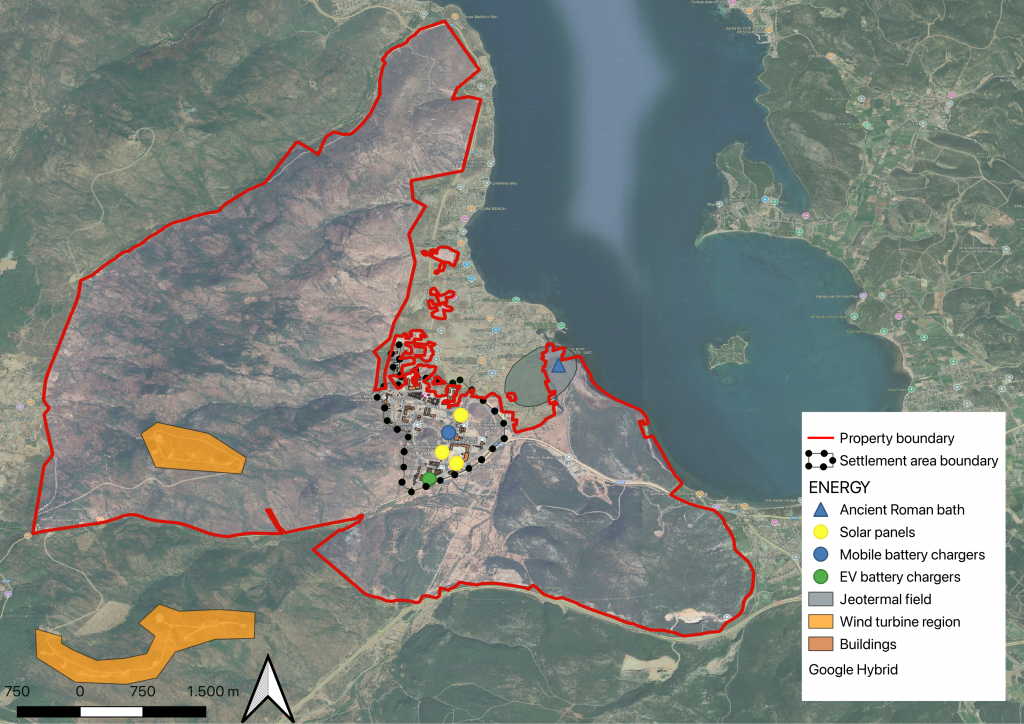
IZTECH completed campus mapping studies that detail important energy and climate elements. This comprehensive map pinpoints the locations of various sustainable resources, including EV charger locations, a mobile charger location, solar energy zones, and a wind turbine zone, alongside historical features like the Ancient Roman bath and a geothermal zone, all made available for public information. Furthermore, to support eco-friendly travel within the campus, the map integrates with an e-scooter application to show the real-time availability and locations of scooters.

Figure 6. Map of energy and climate related elements in the campus

NEWS & EVENTS