EDUCATION AND RESEARCH
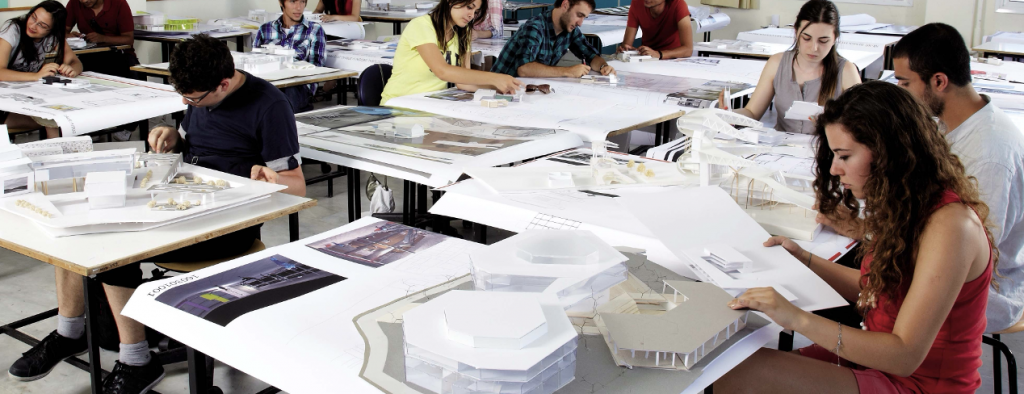
Izmir Institute of Technology (IZTECH) integrates principles of sustainability into its education and research following the guidance of Sustainable Development Goals (SDGs) closely. Digitalization ensures convenience in every step of education and research as planning, implementation, monitoring and evaluations, through our main digital platform named UBYS. Regarding education, sustainability themes are apparent across the curriculum at undergraduate, MSc and PhD levels in various disciplines including environmental science, engineering, architecture and urban design, and biological sciences. Topics get detailed around the issue of sustainability such as energy efficiency, climate change, biodiversity, water treatment, urban water management, air quality, food quality and security, urbanisation and environmental problems it creates, social equity, economy etc. An interdisiplinary course of “Global Sustainable Development” offered by the department of Chemical Engineering is open to all students in the university, covering the topics/issues about sustainable production and development. The course of “Introduction of Bioenergy” in Energy Systems Engineering follows sustainability reated topics, such as, biomass energy and types of biomass; heat and power generation from biomass; methods and technologies for biofuels production in solid, liquid and gaseous forms; utilization of organic municipal waste using biomass conversion technologies. The courses mostly in the Department of Bioengineering aims to train students and give them the necessary knowledge to produce high value technologies, products and information using innovative bioengineering approaches to solve problems in national and international priority areas such as health and pharmaceutical industry, and environmental and energy industry.

Our university develops interdisciplinary programs , internationally collaborated PhD programs and offers international exchange programs focused on climate change, energy generation and transition, circular economy, sustainable development, innovation and technological developments in sciences, clean water resources in relation to ecosystems and technology, developing biotechnologies for agriculture, food and health. Partnerships with international academic networks elevates research collaborations and results in platforms to share sustainable practices and new developments, innovations in education. Such collaborations involve opportunities for students, such as provisions of sustainability-focused scholarships, thesis grants. Addiditonally, Incubation Center in Technopark provides support for students to establish their own startups or capstone projects related to sustainability themes.
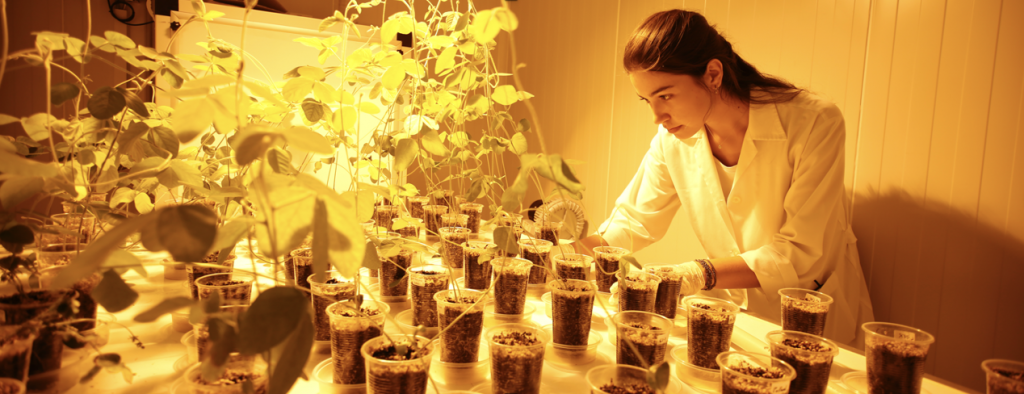
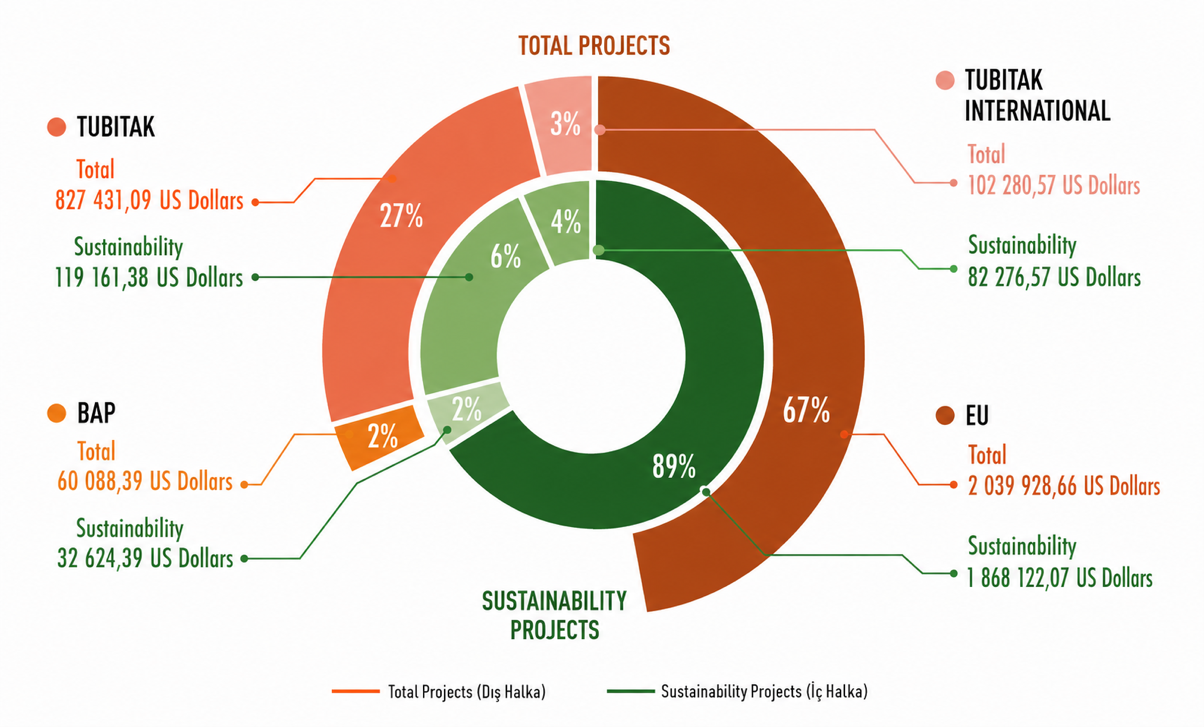
IZTECH has a research ecosystem that is unique for Izmir as the campus area also includes a planned technology development zone, Technopark IZMİR Innovation Center, Technology Transfer Office, and Research Centers. Establishment of dedicatedresearch centers and labs, in addition to startups addressing key sustainability challenges such as renewable energy, biotechnology, biodiversity, water management, and urban resilience and sustainable building design, materials and recycling science, has complementing role in education and research. Students and researchers co-develop and pilot sustainability innovations on campus, through Technopark opportunities which are not only for profit based companies. Sustainability research in IZTECH gets fund from EU projects, The Scientific and Technological Research Council of Turkey (TUBİTAK) projects and IZTECH’s Scientific Research Program. A variety of departments including Civil Engineering, Food Engineering, Architecture, Material Science and Engineering, Bioengineering and City Planning and Environmental Engineering have become partners of EU projects, and have received funding from other institutions. Sustainability research projects follow SDGs precisely.

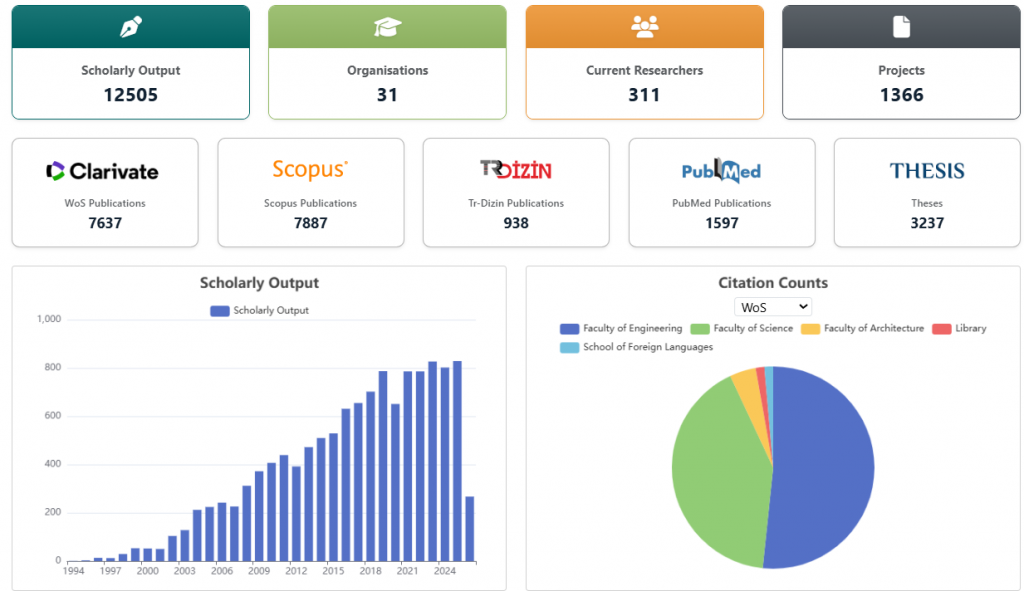
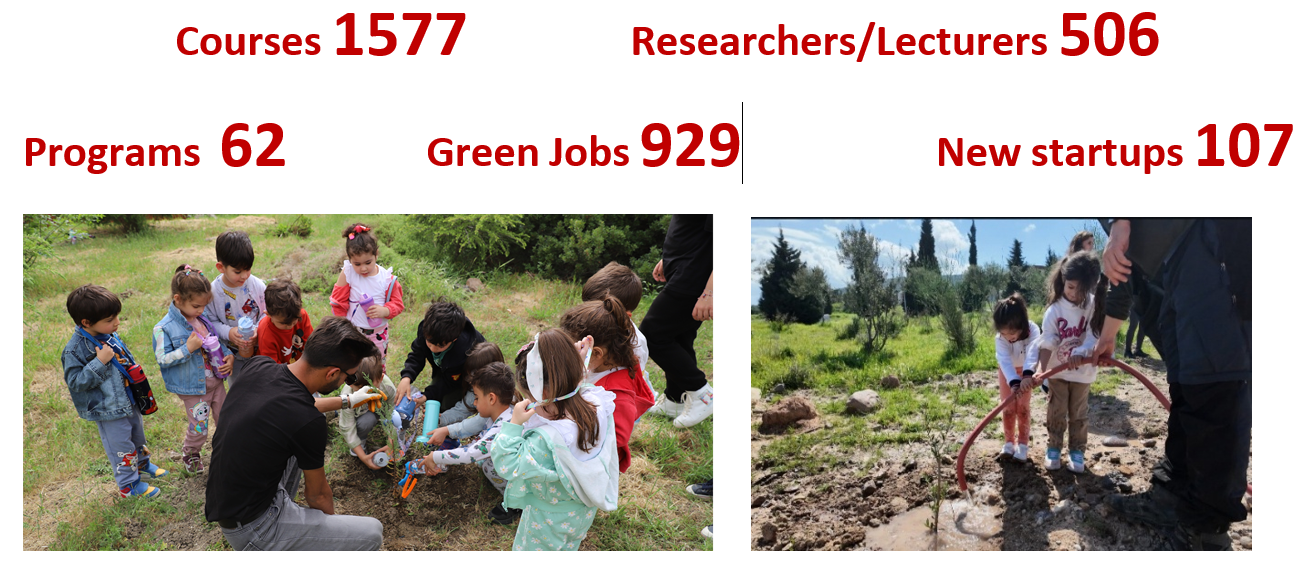
Our university’s outstanding power remains in academic outputs, mainly annual publication of sustainability-related research outputs, including peer-reviewed journals, books, policy briefs, and innovation patents, as presented in GCRIS Database by IZTECH Library. Similar to research centers, research projects and courses each research output contributes to all SDGs. IZTECH Library provides open access publishing to make several research outputs available for every person through the 2025 Open Access Agreements.
Research output metrics
Collaboration with local governments, industries, and NGOs in community-based learning and participatory action research is a key strength in our education and research system. Through partnerships with municipal authorities, industry players, and international organizations, IZTECH plays a vital role in creating sustainable solutions that improve urban living standards while also safeguarding the environment and fostering social inclusivity.
Community Engagement Directorate is another administrative unit collaborating institutions, organizations, associations and volunteer citizens nearby environment of IYTE. Students, researchers and citizens have come together to carry out community responsibility projects. Child University, Wisdom Academy are good examples of life-long learning with additional sustainable activities.
A variety of activities raise awareness about SDGs at various levels. With the inclusion of student communities implementation of environmental literacy campaigns bring students, staff, and the broader community together in this sense. Department of Health, Culture and Sports ., student organizations , faculties and individuals (academic people and students) take part in organizing a variety of activities in IZTECH Campus and in the city of IZMİR as well. All these cultural, academic and social related activities existing in the campus explain social dimension of sustainability in IZTECH. Supporting students’ physical and mental wellness and health, improving their personal abilities and personalities, make this department a key link for achieving SDGs.