IZTECH has a water policy that has been approved by the Institute’s Senate. The purpose of this policy is to regulate the principles for the sustainable management of surface water, groundwater, rainwater, grey water and alternative sources used for various activities under the responsibility and jurisdiction of the Rectorate of IZTECH. It also aims to ensure that the wastewater produced is discharged without risk to human and environmental health.
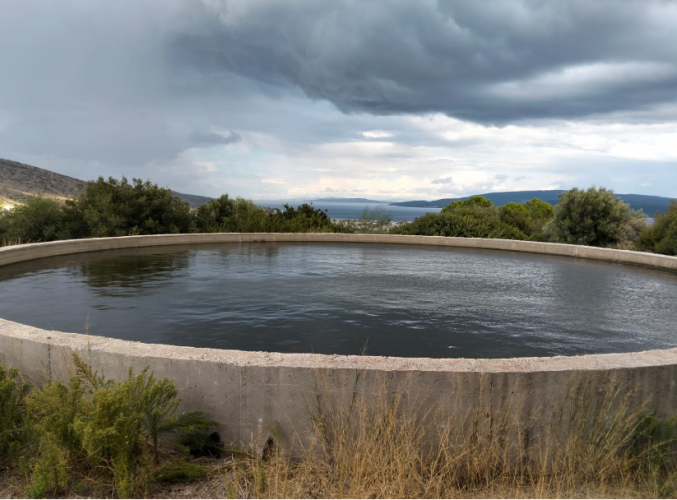
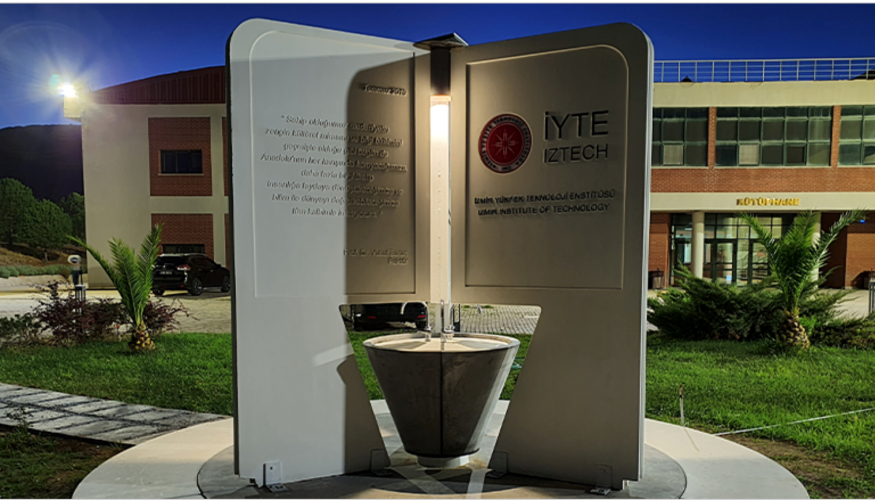
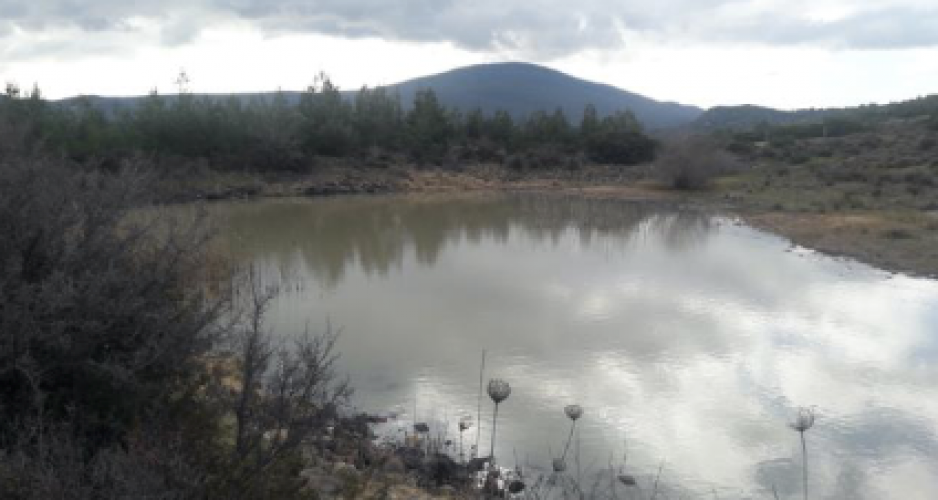
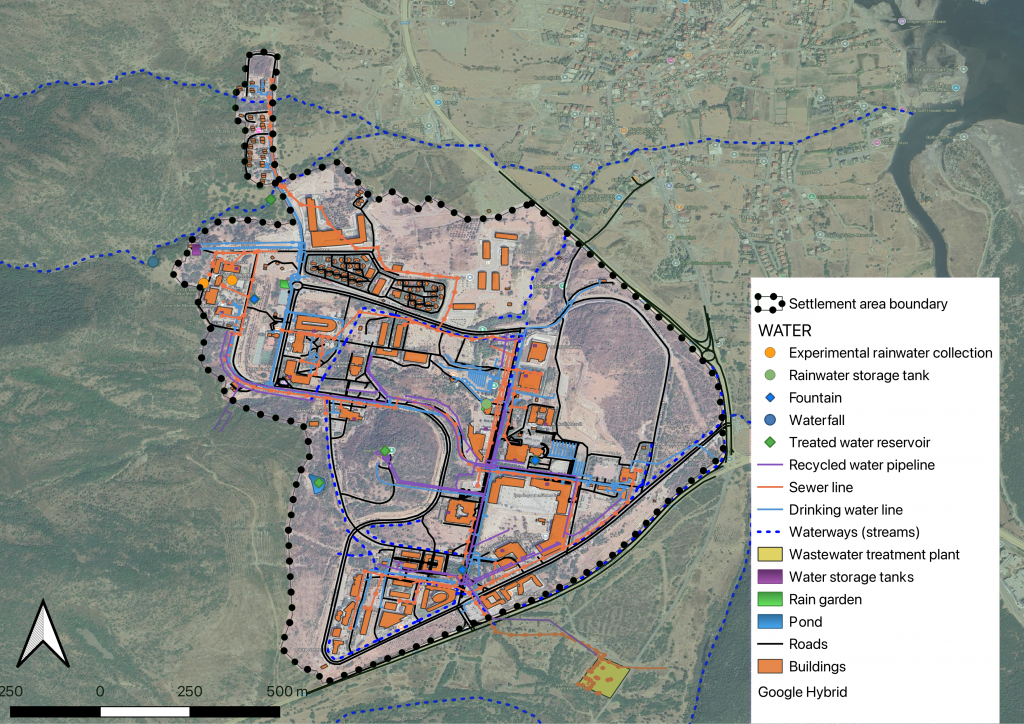
The locations of the ponds, waterfall, rain garden, rainwater harvesting tanks, water channels, and drinking water fountains related to water conservation have been marked on the campus maps.

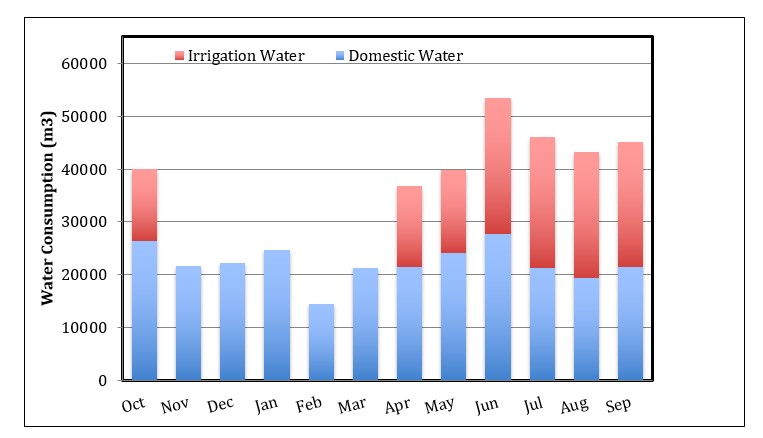
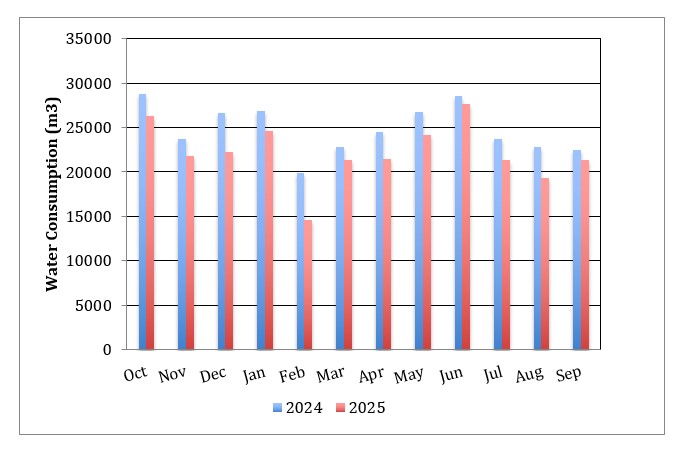
From October 2024 to September 2025, 266177 m3 of water was consumed at IZTECH campus, decreasing the water consumption by 10.5% from the previous year. Recycled wastewater, supplied by a treatment plant with a capacity of 1,500m³ per day, substituted for freshwater abstraction and accounted for approximately 53.7% of the total water demand during the reporting year. Additionally, rainwater harvesting efforts resulted in 6 m³ collected, supporting natural greenery around the harvesting zones and reducing dependence on freshwater resources.


IZTECH has launched several projects in the water conservation field in recent years. The aim of conserving 70% of water on the campus grounds was achieved with a collective effort by different stakeholders in the campus with the leadership of the IZTECH Rectorate. IZTECH has implemented a variety of sustainable water conservation projects that have significantly impacted campus water usage. Key initiatives include:
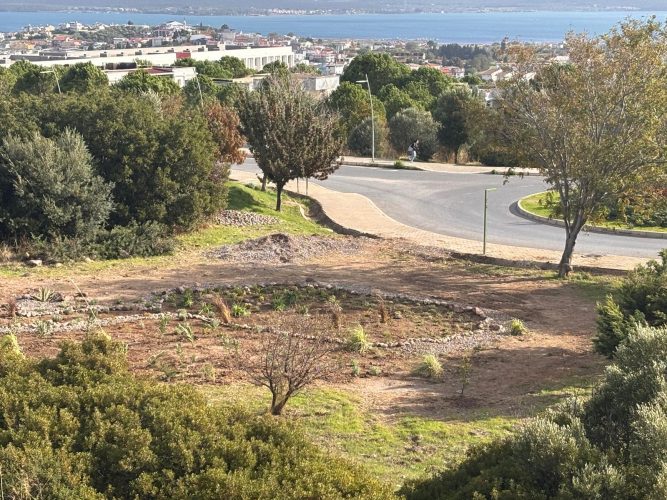
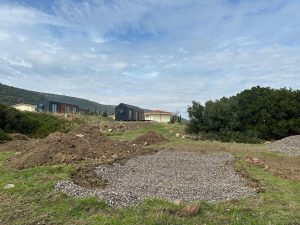
Located in the semi-arid Aegean coastal region, the IZTECH campus faces challenges with water scarcity due to long dry summers and short wet winters. To enhance sustainable water use, faculty from Architecture and Engineering launched a project to design and implement a rainwater garden system on campus. In 2025, a site study identified an optimal location to capture rainwater and prevent runoff into the sea. A system of three interconnected rain gardens was constructed, featuring natural filtration layers and climate-adaptive plants. Further site selection studies are planned for 2026 to expand the rainwater garden initiative across the campus.

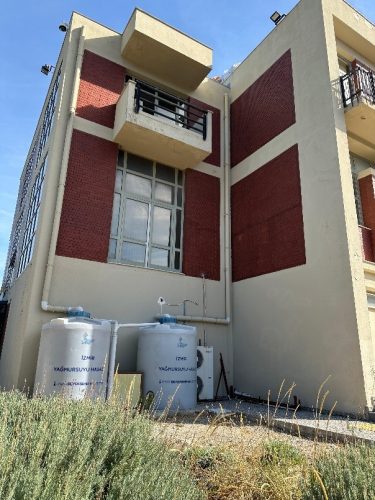
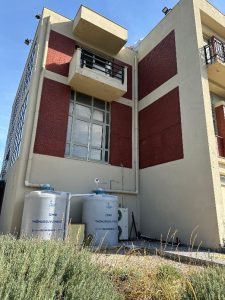
To evaluate a rainwater harvesting project, faculty from Architecture and Engineering estimated annual rainfall and collected water from a 50 m² roof area. Consequently, two water tanks totaling 6 m³ were installed near the General Education Courses Building. Rainwater collection increased from 5.4 m³ in 2024 to 6 m³ in 2025, showing improved retention. Natural greenery, including endemic mastic trees (Pistacia lentiscus), began growing around the system, demonstrating its benefits for sustainable water use and local biodiversity restoration.

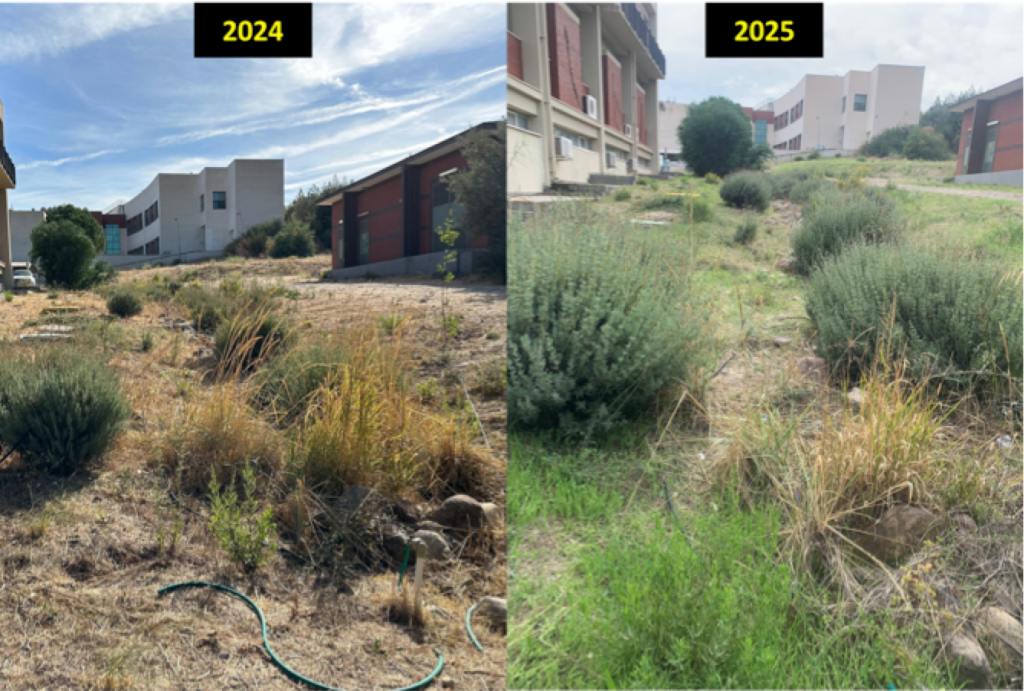
To safely direct rainwater that is coming from a parking lot, a bioswale was constructed. Bioswales are built to collect polluted stormwater runoff and while allowing its infiltration into the soil, they conduct filtration. The design of the bioswale required minimum intervention in the natural setting. However, it included a minimal excavation of 55 cm at the deepest end, below which perforated drainage pipes were installed. Then a layered structure of topsoil, mulch and gravel was laid. The project prevented uncontrolled flow and flooding of the IZTECH Recreational Area in the year 2025. Compared to 2024, the plants watered with harvested rainwater in the bioswale project have shown greater growth and greener foliage.

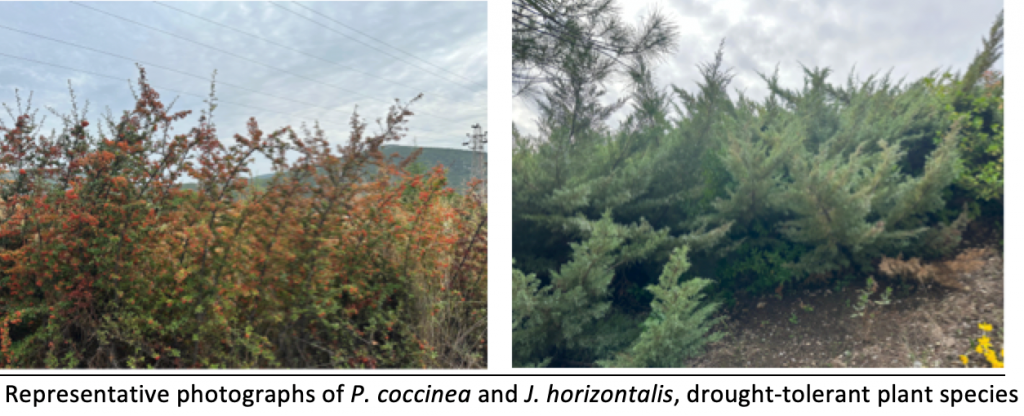
As part of IZTECH’s commitment to sustainable landscaping and efficient water usage, drought-tolerant plant species were selected and planted across the campus in 2025. This initiative supports water conservation goals by reducing the need for irrigation in arid areas and improving long-term resource management. The plant species were chosen based on their low water demand, suitability for the local climate, and minimal maintenance requirements. Total Number of Drought-Tolerant Plants Planted in 2025: 681

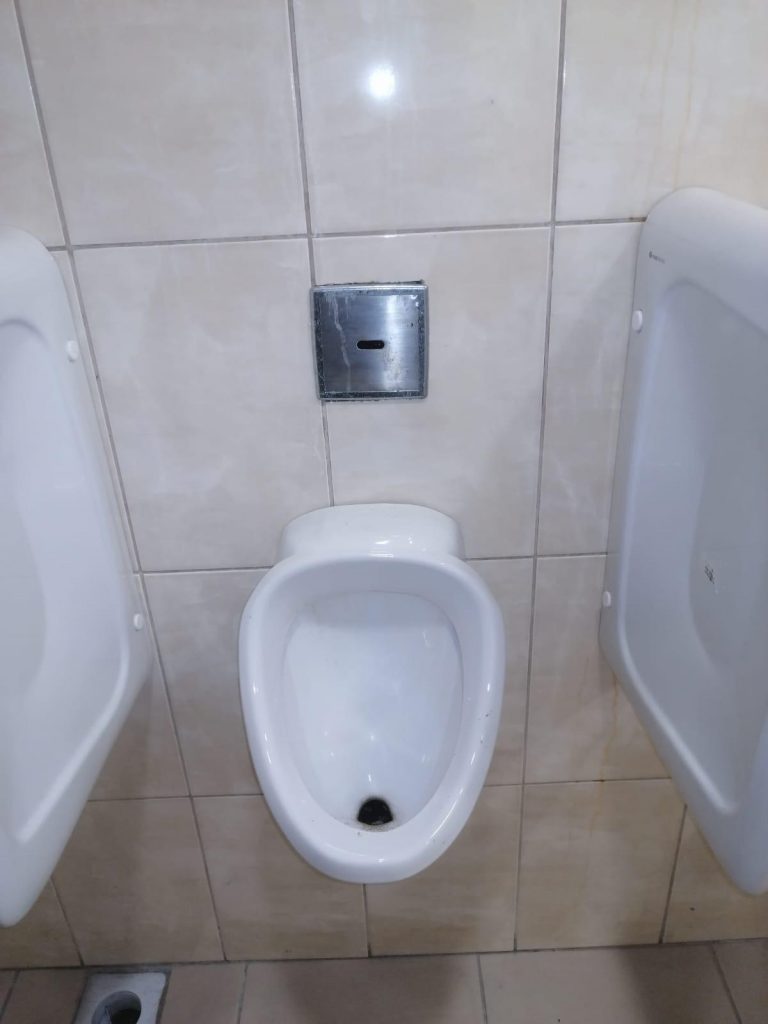
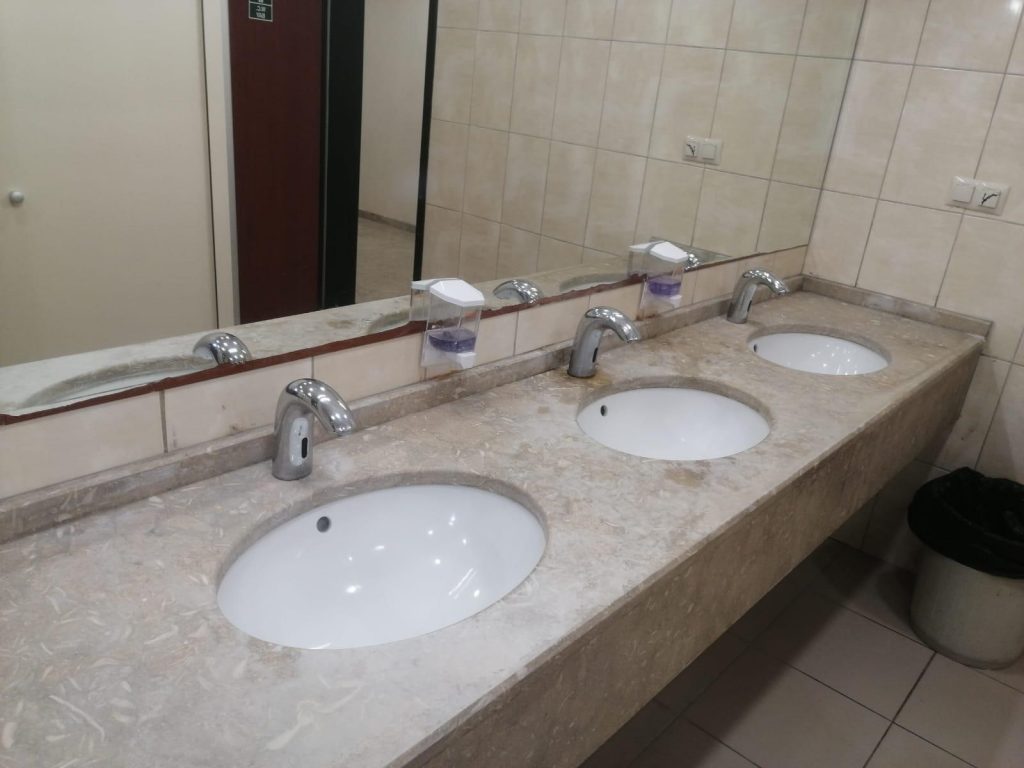
The use of sensor-operated devices in restrooms increased from 64.5% in 2024 to 75% in 2025, showing a rise of approximately 16.3%. In some buildings affiliated with the Faculty of Engineering — such as Physics, Mathematics, Foreign Languages, and Molecular Biology and Genetics — sensor-based systems will be implemented in the coming years as part of future planning.

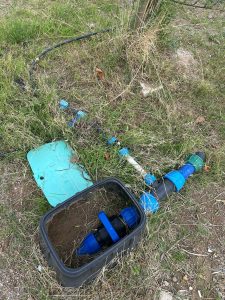
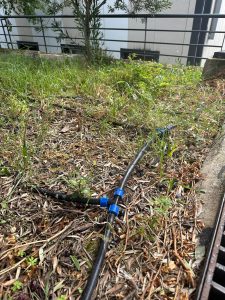
A smart irrigation system has been implemented in the garden area situated in front of the School of Foreign Languages. Throughout the campus, irrigation is predominantly conducted using efficient drip irrigation techniques to optimize water use and promote sustainability.

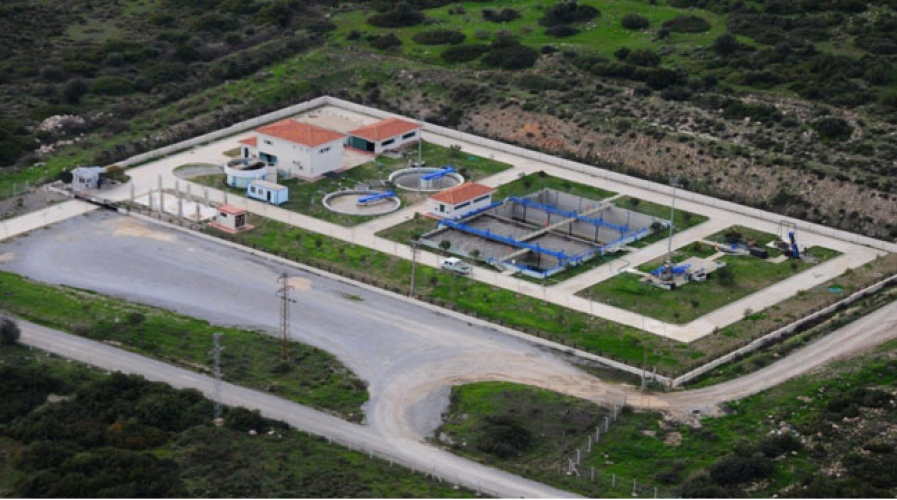
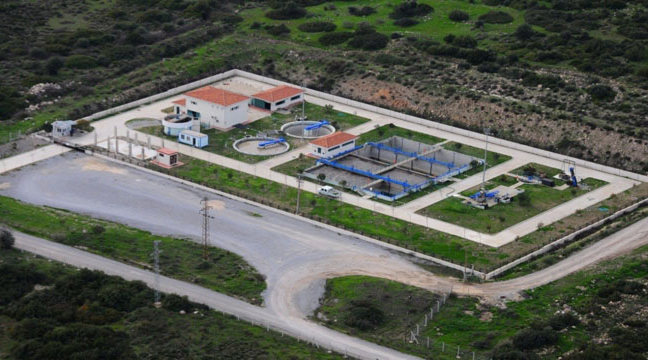
Sewage is collected through closed pipes at IZTECH campus and it flows towards the IZTECH Wastewater Treatment Plant, that is managed and operated by İzmir Metropolitan Municipality Water and Wastewater Directorate (IZSU) abiding the national wastewater treatment and discharge regulations. The wastewater treatment plant is designed to treat 1500 m3/day flow rate and the treatment is done by an activated sludge system.